Restorative Treatment
Dental Implants in Turkey
Dental implants offer a permanent solution for missing teeth. From single implant restorations to multiple implants for complex cases, this page explains what the process involves, what affects suitability, and how to request a personalised implant quote.
Overview
What Dental Implants Involve
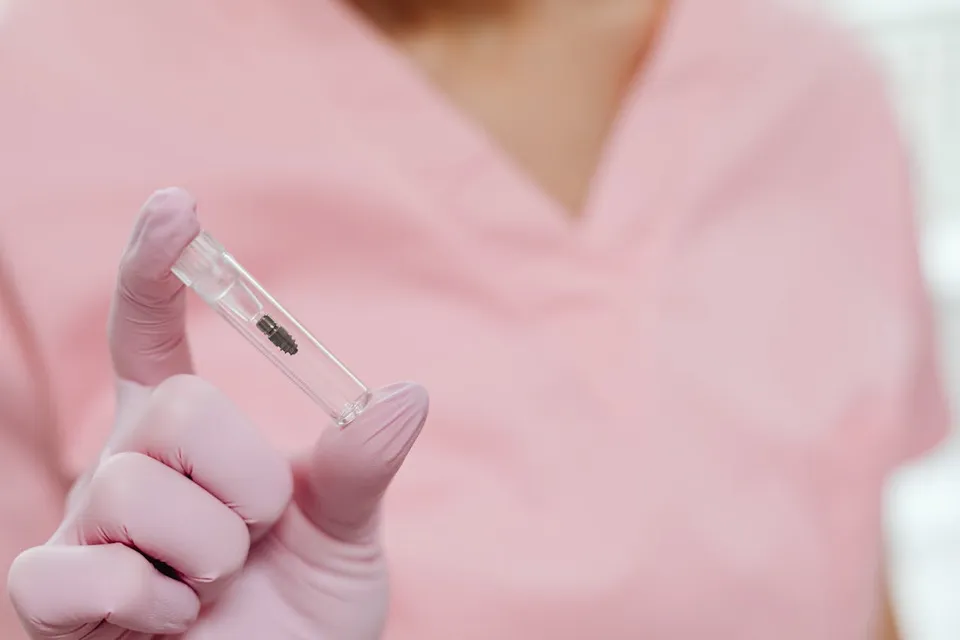
A dental implant is a titanium post that is placed surgically into the jawbone to serve as the root for a replacement tooth. Once placed, the implant undergoes a biological process called osseointegration — the bone gradually fuses with the titanium surface over a period of weeks to months, creating a stable, fixed foundation for the restoration placed on top.
The visible part of the restoration — the crown — is attached to the implant via a connector called an abutment. The result is a replacement tooth that is anchored independently in the jaw, without affecting adjacent teeth (unlike a traditional dental bridge). For many patients, this makes implants the most functionally similar option to a natural tooth.
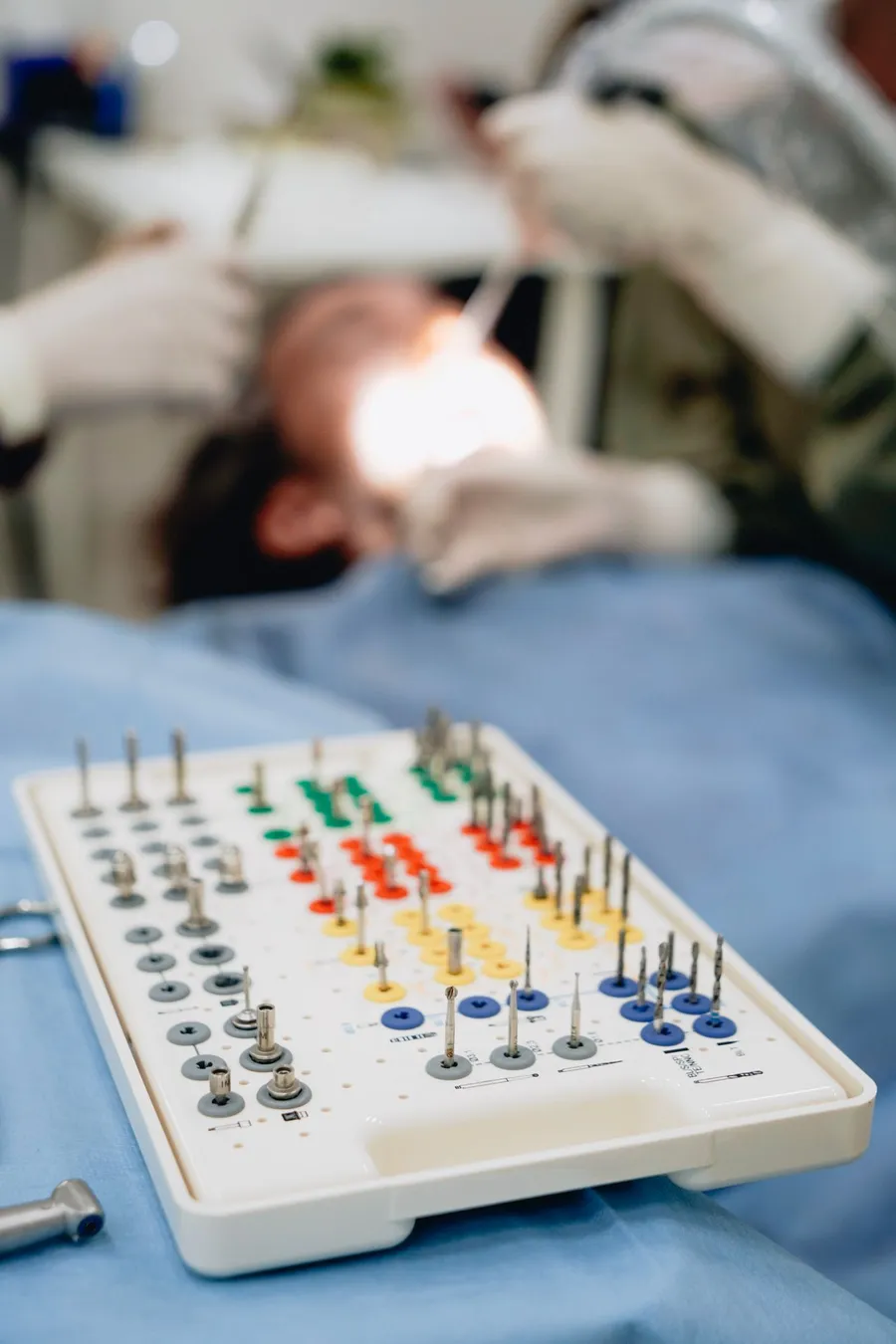
Implants can be used to replace single missing teeth, multiple teeth in the same area, or — when used as part of an All-on-4 or All-on-6 system — an entire arch of teeth. The number of implants required depends on the scope of the restoration being planned. Implant surgery at our recommended clinic, Taki Dent in Antalya, is carried out by an oral and maxillofacial surgeon following CBCT-based planning.
Missing Teeth
Addressing Tooth Loss
Tooth loss — whether from decay, trauma, gum disease or extraction — can affect both function and aesthetics. Beyond the visible gap, missing teeth can cause the surrounding teeth to shift over time, changes in bite, and progressive bone loss in the area where the root no longer exists. Addressing tooth loss with an appropriate restoration is therefore not purely cosmetic.
Dental implants are one option for addressing missing teeth, but they are not suitable for everyone. The available bone volume and health at the site, alongside the patient's general medical health, are the primary clinical criteria. Other options — such as bridges or partial dentures — may be considered depending on the situation.
If you are considering dental implant treatment in Turkey, a dentist will assess your case from clinical records to establish whether implant placement is feasible and what the treatment plan would involve. Sharing X-rays or a recent CBCT scan at the quote stage is particularly helpful for implant cases.
Clinical Assessment
Bone Condition and Imaging
Successful implant placement depends on adequate bone at the site. When a tooth is extracted, the surrounding bone gradually resorbs over time in the absence of a root to stimulate it. This means that the longer a tooth has been missing, the more bone may have been lost — and the more carefully the bone volume needs to be assessed before implant placement is planned.
A cone beam computed tomography (CBCT) scan provides a three-dimensional view of the jaw structure, bone density and the position of anatomical features such as the inferior alveolar nerve and sinus cavities. This information is essential for safe implant planning and is standard practice in reputable implant clinics. A panoramic X-ray (OPG) can also provide useful initial information, though a CBCT is typically required before placement.
In cases where bone volume is insufficient, a bone graft procedure may be required prior to or at the time of implant placement. This extends the treatment timeline and adds to the overall cost. Some patients find, upon clinical assessment, that bone loss is more significant than anticipated — making an early clinical review important before making travel plans.
When requesting a quote for implants:
- → Share any recent X-rays or CBCT scans if you have them
- → Describe how long ago the tooth or teeth were lost
- → Note any existing dental bridges or dentures in the area
- → Mention any relevant medical conditions or medications
Treatment Timeline
How Implant Treatment Progresses
Dental implant treatment is a multi-stage process. For most patients, it involves at least two separate visits to the clinic: the surgical placement of the implant, followed — after a healing and integration period — by placement of the final crown. This integration period is necessary for the implant to fuse safely with the surrounding bone before load-bearing restorations are placed.
The integration period typically ranges from three to six months, depending on the site, the patient's bone quality and whether any grafting was required. During this time, a temporary restoration or existing prosthesis may be worn. Some clinical protocols allow for immediate or early loading in selected cases — where a temporary crown is placed shortly after implant surgery — but this is not appropriate for every patient and every site.
UK patients planning treatment in Turkey should factor the multi-visit nature of implant treatment into their planning. This may involve an initial trip for surgical placement, with a return trip several months later for the final restoration. Some clinics offer coordination for follow-up care with dental practitioners closer to home where appropriate.
Cost Factors
What Affects Implant Costs
Dental implant costs in Turkey vary based on the number of implants, the implant system used, whether bone grafting is required, the type of crown placed on top, and the clinic. The implant body (the titanium fixture), the abutment and the crown are separate components — all of which should be itemised in any quote you receive.
Well-established implant brands with long-term clinical data tend to cost more than lesser-known alternatives. This is a relevant consideration when comparing quotes, as the origin and quality of the implant system affects long-term outcomes and the availability of compatible components in future.
If multiple teeth are missing and full-arch restoration is being considered, the All-on-4 and All-on-6 pages outline how these systems work and what they typically involve.
Request a Personalised Implant Quote
Share your situation and any available dental records. Selected clinics will review your case and prepare a personalised implant quote.
No obligation. Free to request.
Related Treatments
Full-Arch Implant Options
If you are considering replacing a full arch of teeth, the following pages cover All-on-4 and All-on-6 implant-supported full-arch restorations.
Further Reading
From Dr. Sadık Taki
The lasting success of a dental implant depends on how the surrounding bone behaves and on long-term upkeep. Specialist Prosthodontist Dr. Sadık Taki explains the evidence in plain English, drawing on his own peer-reviewed research:
- What Really Drives Bone Loss Around Dental Implants — a lay summary of his three-year study on marginal bone loss.
- Implant-Supported Dentures: Why the Upkeep Matters — why maintenance is as important as the implants themselves.
Dental Implant Questions
Implant suitability depends on several clinical factors, including the quantity and quality of bone at the implant site, the health of your gums, and your overall medical health. A clinical assessment — including a CT scan or dental X-rays — is required to evaluate the bone available and determine whether implant placement is appropriate. Some patients with insufficient bone may require bone grafting before implants can be placed, which affects both the treatment timeline and cost.
A single dental implant replaces one missing tooth. It consists of a titanium post placed into the jawbone, which integrates with the bone over several months, followed by a crown placed on top. All-on-4 is a full-arch solution using four implants to support a fixed set of teeth, replacing an entire upper or lower arch. All-on-4 is typically considered for patients with extensive tooth loss or those who currently wear full dentures.
A CT scan (or CBCT scan) is required for accurate clinical planning — it allows the dentist to assess bone volume, density, and the position of anatomical structures such as nerve canals. However, for an initial quote, a panoramic X-ray and clear dental photographs can be sufficient to provide a preliminary cost indication and assess whether implant treatment is likely to be feasible. A CT scan is typically arranged once you proceed to formal consultation.
Yes. If you have recent dental X-rays or a CBCT scan, sharing these when you submit your quote request is very helpful. It allows the clinical team at the clinic to review the bone structure and provide a more detailed, relevant response. If you do not have existing records, an initial quote can still be prepared based on your description and photographs, with a more detailed assessment carried out once you book a consultation.
The timeline for dental implant treatment varies depending on the case. For straightforward single implants, the osseointegration process — during which the implant fuses with the bone — typically takes three to six months. This means most patients require at least two visits to Turkey: one for implant placement, and a return visit for crown placement once integration is confirmed. Some cases using immediate loading protocols may allow a temporary crown to be placed sooner, though this depends on clinical suitability.
Ready to Explore Your Treatment Options?
Tell us what you need and receive a personalised dental treatment quote from selected clinics. No obligation.
No obligation. Free to request. Your details are handled securely.